Manufactured homes can be a smart path to homeownership. Land is often more available, and many communities offer newer factory-built homes that look and feel like site-built houses. If you are a veteran, active-duty service member, or an eligible surviving spouse, you may be able to use your VA benefit to finance a manufactured home. The key is knowing the rules, because manufactured homes have extra property requirements, and not every lender offers this option.
This blog explains what counts as a manufactured home, how VA financing works, what lenders and appraisers look for, and how to avoid delays. It is written in plain language so you can skim it, understand it, and take action.
What is a manufactured home?
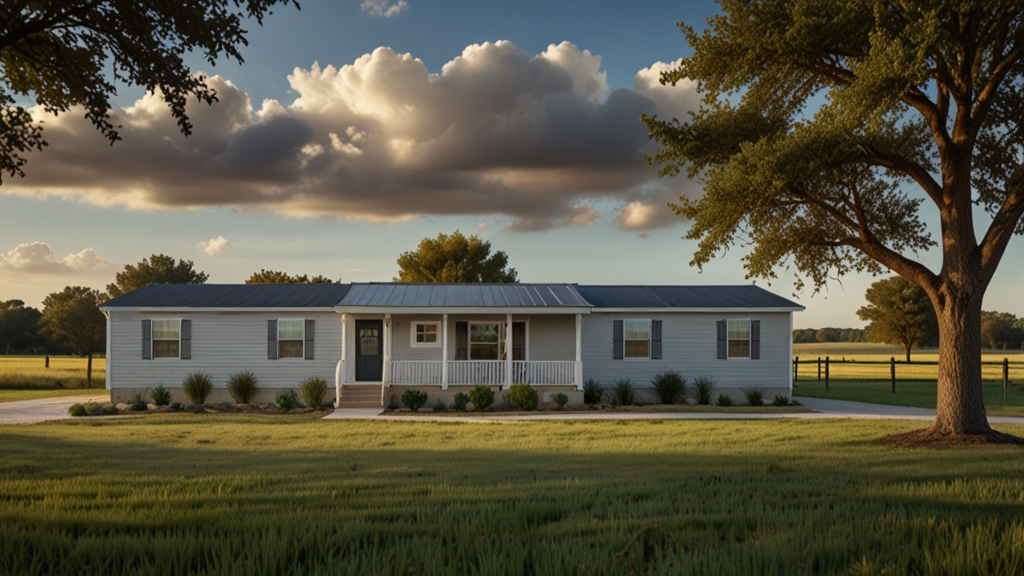
A manufactured home is built in a factory under federal HUD standards and then transported to a home site. People still say “mobile home,” but modern manufactured homes can be spacious, energy efficient, and attractive. They can be single-wide, double-wide, or larger layouts, depending on the floor plan and the site.
If you are comparing options, you can also explore different property types like triple wide manufactured homes or other factory-built housing options, depending on your land and budget.
Manufactured vs modular: the quick difference
A modular home is also built in a factory setting. But it’s assembled on-site to meet state codes. Meet the state and local building codes required in lending, modular homes are usually treated like construction. Like traditional construction, financing purposes are given. Manufactured homes follow HUD Code rules and must meet them. Must meet specific foundation, title, and marketability checks required.
If you’re unsure which type you’re looking at, ask the seller for the paperwork showing what it is.. A modular home usually has different documentation tied to local code compliance, proving standards met.
If you are considering modular construction, you may also want to review how modular homes in Texas are financed and treated differently from manufactured housing.
Can you use a VA loan for a manufactured home?
Yes definitely! VA-backed financing can be used for certain manufactured homes. The requirements are set clearly, but the home must qualify as real property legally. That usually means it must be permanently attached to the approved foundation and titled as real estate under state law. You also must plan to live in a home as your primary residence, is required.
There’s also a practical point to consider: many lenders do VA loans, but fewer do VA loans. Fewer lenders do VA loans on manufactured housing specifically. So the best plan is start lender shopping early, and confirm in writing that they finance homes.
The core VA requirements for manufactured homes
Manufactured homes must meet a set of requirements protecting the buyer and lender from issues arising later. Exact details can vary by lender overlays used and by local rules applied in different areas. But common checkpoints are consistent throughout the process, always.
Permanent foundation and real property status
The home must be installed on a permanent foundation first and considered real estate under the law, not personal property. If it’s still treated as personal property, like a vehicle title, most mortgage lenders won’t approve it for financing offered to buyers. Expect the lender to ask for installation documents showing work.
In Texas, this can involve county appraisal records, district records, title work, and proof and proof that the home and land will be conveyed. If the paperwork is messy, your closing can slow down significantly, causing delays and frustration.
HUD certification labels and the data plate
Manufactured homes have HUD certification labels required to be shown, often called HUD tags by people in the industry. These items confirm the home was built to HUD standards required by federal law. Missing labels can create delays during the underwriting process, so verify them early during the home search process, not during underwriting when it’s too late.
Size and configuration expectations
Many VA lenders have minimum size requirements set clearly. Some guidelines mention the minimum interior floor space required, around seven hundred square feet for typical approvals given. Some lenders use additional rules for homes. For single-wide homes being financed through the program.
Single-wide homes can be harder because of the resale markets. Because resale markets may be thinner with fewer buyers, and comparable sales may be limited in area. If you want the widest lender access possible, double-wide on owned land is often simplest.
To better understand financing rules and approval standards, review the VA loan underwriting guide.
Primary residence and occupancy
VA loans are meant for personal occupancy; you will need to certify that you intend to occupy a home as your primary residence. This is true for manufactured homes.
If you’re deployed or stationed away from Texas, ask your lender about acceptable occupancy timelines allowed, and documentation is needed proving the intent to live there. Planning this up front prevents last-minute issues from happening.
Texas land, utilities, and access matter more with manufactured homes
With manufactured housing, land and home often need to be financed together in the same transaction, and legal setup matters quite a bit. Lenders typically prefer borrowers to own land first or to purchase it as part of a transaction. The same transaction is happening at closing time together completely. Some parks and leased-land situations can be difficult for standard mortgage financing to get approved.
Also, think about the site itself when choosing a location. Appraisers and lenders will look at the access available. Utilities and whether the property feels like a stable real estate, not a temporary setup, appearing unstable.
Home is a permanent foundation with proper utility works. And year-round access is easier to approve that property has unclear easements or improvised hookups.
If you are still searching for land, review the best places to buy land in Texas, before selecting your property.
VA loan benefits still apply
If home qualifies, big VA advantages can apply to help you save money long-term. That includes the potential for zero down payment required. No monthly private mortgage insurance and competitive interest rates compared with many conventional options.
There’s usually a VA funding fee charged once upfront. But it’s a one-time cost, and some borrowers are exempt, such as veterans with qualifying disabilities. With service-connected disabilities documented properly throughthe VA system. Your lender can confirm whether you’re exempt status.
One more thing to know about rates on manufactured homes can be a little higher. Be a little higher than rates on site-built homes, depending on lender and market conditions, currently. That’s normal across the industry, so don’t worry much. What matters is the full package offered together. Rate, fees, and approval speed combined affect you.
Ask for a written Loan Estimate, so you can compare offers fairly and avoid surprises at closing. On closing day, when everything gets finalized together.
Step-by-step: how to get a VA loan for a manufactured home
Here’s a simple process you can follow; the order matters quite a bit. When you do things early, your purchase is smoother.
Step 1: Confirm eligibility and get your COE
Start with your Certificate of Eligibility first thing. Many lenders can retrieve it quickly online now. If there’s an issue, resolve it early, so you don’t lose time during the contract period.
If you’re not sure you qualify at all, ask anyway, because many people assume they’re not eligible, then discover they are actually qualified.
Step 2: Choose a lender who truly does VA manufactured homes
Ask direct questions when interviewing lenders. Do you finance VA-manufactured homes on owned land, specifically in this county, working? Do you finance single-wide homes or only doubles? Do you require a foundation engineer letter for approvals? What’s your typical closing timeline from start to finish?
You can start by reviewing lenders that offer VA construction and specialty home loans</a>.
If answers are vague, keep shopping around more. This matters because manufactured-home VA loans are a niche inside niche markets, not everyone does. A lender who closes them regularly will know what documents to request before the underwriter asks.
Step 3: Choose the right property and verify paperwork early
Look for a home on a permanent foundation already installed on land that will be titled as real property. Ask the seller for documentation early, including permits, installation records, and evidence of HUD labels and data plate information.
Also, verify the basics that can block underwriting later. Home must be safe, sanitary, and structurally sound. Are obvious issues appearing during inspection? Plan repairs or move on to a different property.
Step 4: Get preapproved and set a realistic budget
Preapproval clarifies the price range and strengthens the offer made. It also helps you plan for closing costs, prepaid items, and any site work. Site work that may not be covered by the loan.
For manufactured homes, you may also face extra costs, such as tie-down updates and skirting repairs that are needed, or minor site improvements are required before the closing happens. Budgeting for these items avoids stress later, obviously.
Step 5: appraisal, underwriting, and the VA property review
VA appraisals for manufactured homes use a specialized appraisal format designed to capture details to capture manufactured-home details not found elsewhere.
The appraiser will look at condition, safety, and marketability factors. Not just the contract price listed on the paperwork shown. If comparable sales are limited in the area searched, the appraisal can take longer to find appropriate matches. In some markets, there are fewer recent manufactured-home sales, which have so many timelines that they can stretch out.
Step 6: Close the loan and move in
Once the lender clears conditions and the title work is complete, you close like any other VA purchase transaction. Plan your move-in timeline, utilities transfer is happening smoothly, and a final walk-through, like you would with a home. With traditional home purchase being made through standard channels.
Building vs buying: what is right for you in 2026?
Buying an existing manufactured home can be faster overall. You can see the home and review the records available there, and close with the standard purchase timeline working smoothly. But placing a new home can give more control over the layout and finishes chosen personally.
If you’re doing a new placement, the timeline includes ordering, delivery, site preparation, and installation work needed. Utility connections and inspections are required before moving.
Make sure your lender understands this workflow completely, because manufactured-home transactions can include steps that don’t. Standard home purchases don’t have anything at all.
If you’re considering a modular home instead of a manufactured home, ask whether the lender treats it like site-built homes. That can open more options and simplify parts. Simplify parts of the underwriting process for approval given.
What can cause a VA manufactured-home loan to fail?
Most problems fall into a few buckets. If you watch for them early enough, you can usually avoid them completely, preventing failure.
Missing foundation or installation documents
Fix it by asking for documentation before you sign anything committing to purchase made. If documents don’t exist, budget time for inspections and certifications needed to get done properly. A foundation certification letter can take time to schedule.
The home is still titled as personal property
Fix it by confirming the home is legally real estate and that the home and the land will be conveyed together under the correct process. Under the correct title process required by law, this is one of the most common deal-killers happening.
The lender does not really do this loan type
Fix it by choosing a lender with recent VA manufactured-home closings, and by confirming, and by confirming their requirements in writing clearly. If the lender is “figuring it out” on file, your timeline will suffer, causing delays and problems.
Appraisal issues because comps are limited
Fix it by working with an agent who knows the local manufactured-home market and by keeping, and by keeping expectations realistic on the value estimated. Sometimes best move is choosing a property in a community with more recent comparable sales available.
A simple checklist before you make an offer
Use this quick checklist to reduce risk significantly:
- Permanent foundation already in place, installed properly
- HUD labels and data plate informationwere verified early
- Home and land will transfer as real property together
- Lender confirms they’ll finance this exact type
If you can check most of these boxes, you’re in a strong position to proceed forward.
Quick answers for veterans in a hurry
If you want a VA loan for manufactured home buying, choose a property that’s on owned land. On a permanent foundation with HUD labels and title, and a clean title history without major issues showing.
Get preapproved early and work with a lender who closes VA-manufactured-home loans regularly without issues.
Final thoughts
A VA loan can help you buy a manufactured home, but success depends on details. Treat the home as a real estate transaction, verify the foundation and HUD documents early, and choose a lender who is comfortable with manufactured housing. Do that, and you can use your earned benefit to get into a home that fits your budget and your life.
FAQs
1. Can I use a VA loan for a single-wide manufactured home?
Yes, sometimes, depending on the lender’s rules applied. But lender rules can be stricter than doubles. Ask about the minimum size and whether the lender finances. Finance single-wide homes in your specific area buying.
2. Do I need to own the land?
Most VA manufactured-home mortgage approvals are easiest when. When you own land or buy it. With the home in the same transaction happening together completely. Leased-land deals are more limited in finding lenders willing.
3. Will I need a down payment?
Often, you can buy with no down payment needed. If the home meets requirements, but the lender overlays can. Can change what’s needed in specific cases occurring.
4. What documents should I ask the seller for?
Ask for proof of a permanent foundation installed correctly. Installation records, HUD labels, or data plate details are shown. Permits and any title conversion paperwork needed legally.
5. Is a modular home the same as a manufactured home?
No, they’re different types entirely, built differently. Modular homes are built to local building codes. And are often financed like site-built homes easily. While manufactured homes follow HUD Code rules.