

Buying a home is a big deal, and for those in the military or who have served, the VA loan is a fantastic benefit. But what if you want to buy with someone who isn’t a service member or veteran?
That’s where a Joint VA Loan comes into play. It’s a way to combine resources and still use those great VA loan perks. We’re going to break down what you need to know about these loans, from who can get one to how they work, so you can figure out if a Joint VA Loan is the right move for you in 2026.
What is a Joint VA Loan?
So, you’re researching VA loans and came across the term Joint VA Loan. What’s the deal with that? Essentially, it’s a mortgage that is backed by the Department of Veterans Affairs with a twist.
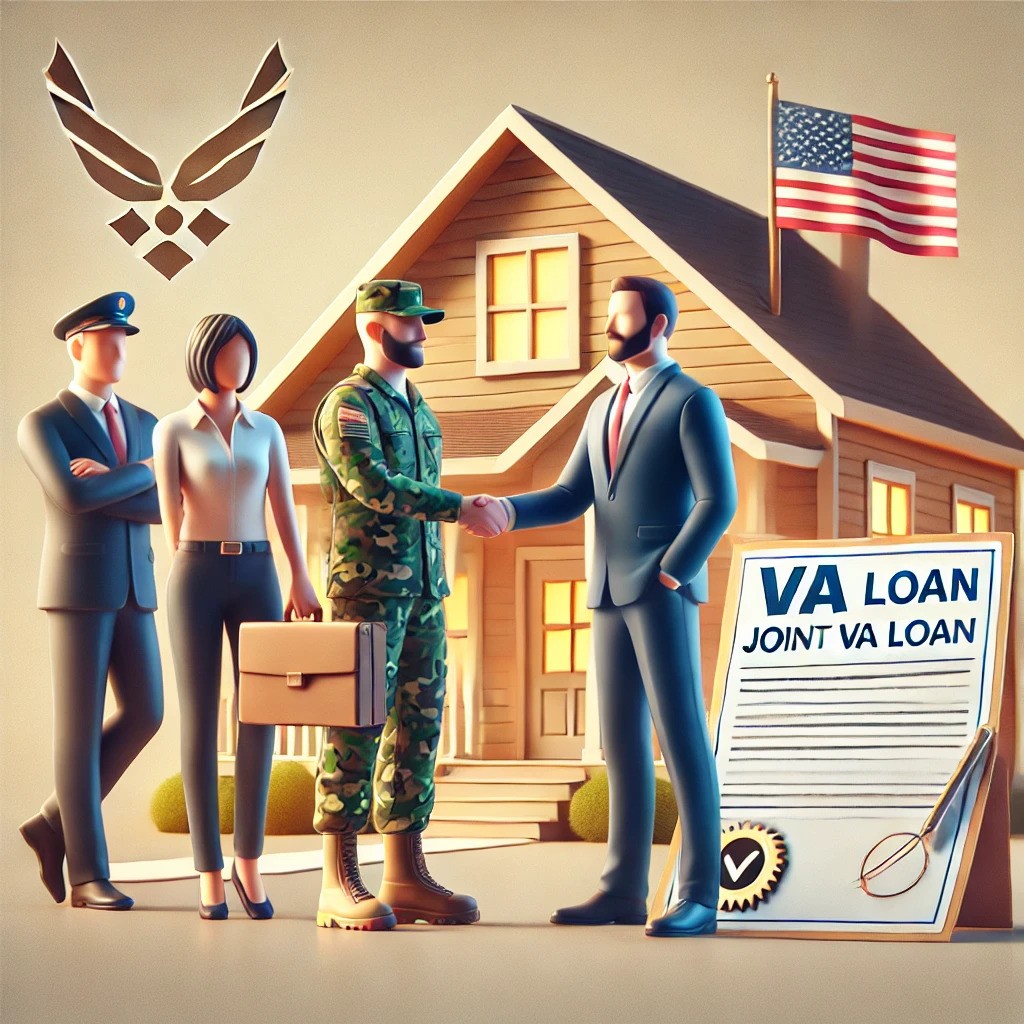
While only one eligible veteran (or a veteran and their spouse) can apply on their own, a joint VA loan allows two or more people to apply together. The critical point here is that at least one of the borrowers has to be VA-eligible. Everyone named on the loan is responsible for making payments and will own the home collectively.
How is a Joint VA Loan Different from a Standard VA Loan?
The biggest difference really comes down to who’s on the loan and how the VA’s guarantee functions. For a standard VA loan, it’s usually only the eligible veteran or the veteran and his or her spouse. The VA’s guarantee, which is basically the VA’s promise to the lender that it will pay some percentage of the loan if things go bad, applies to that portion contributed by the veteran. This guarantee is what enables all those sweet advantages, like no down payment and no private mortgage insurance.
Things can be slightly more complicated with a joint VA loan because if you add in a non-veteran as well, things can get a little stickier. Here’s a quick rundown:
- Borrowers: A typical VA loan has a single eligible veteran (or veteran and spouse). With a joint VA loan, you must have at least two borrowers; however, only one borrower needs to be VA eligible.
- Down Payment: You do not need a down payment if you have your full entitlement for a traditional VA loan. But joint VA loans with a non-military borrower typically do call for a down payment. That’s because the VA guarantee only covers the veteran’s portion of the loan, not the non-veteran’s.
- Entitlement: The guarantee by the VA is based on a veteran’s entitlement. For a joint loan with a non-veteran, any entitlement used for the veteran’s portion, but because of that not being covered under the VA guarantee, and this is where you may need to make a down payment.
Keep in mind that with a joint VA loan, all borrowers are responsible for the full payment. If one person defaults on a payment, it can hurt everyone’s credit and cause the entire loan to go into default. So, choose your co-borrower wisely!
A VA loan uses your personal military benefit to buy a house. A joint VA loan, which combines that benefit with someone else’s financial strength in the purchase of a house, does have some specific rules about who the VA can pledge its support to.
Who Qualifies for a Joint VA Loan?

So you’re considering a joint VA loan, perhaps with your spouse or possibly even a friend. That’s great! It opens up opportunities, but who really gets to take advantage of this benefit? The important thing to note is that at least one individual on the loan must have VA loan eligibility. That’s not to say everyone needs to be a service member.
Eligibility Requirements for Joint VA Loans
Using a VA mortgage for two borrowers is slightly different than a traditional VA loan. The overall view is that the VA backs the loan, but it’s linked to the veteran’s service. What this means is that when bringing a non-Veteran spouse or partner into the fold for a VA mortgage for married couples, you’ll want to keep some things in mind.
Veteran Status: At least one borrower must be eligible based on the VA’s service requirements. This is an active duty, veteran, or eligible surviving spouse. To verify this, they’ll need to provide a Certificate of Eligibility (COE).
Creditworthiness: Veteran or not, all borrowers on the loan must satisfy the lender’s credit score and history requirements. A veteran’s good credit can sometimes help soften a co-borrower’s credit weakness, but one person’s bad credit does not cancel the other.
Income and Assets: Based on the total income and assets of all borrowers, lenders will evaluate your financial situation. This is where a joint VA loan can be particularly beneficial, as multiple incomes can expand your buying power.
Down Payment: This is an important distinction. Generally speaking, for a VA loan with a spouse, the spouse cannot be a Veteran, so you will need to put down payment. The VA guaranty covers only the veteran’s portion of the loan. The amount can differ, but it is something to make room for in your budget. With regard to a veteran-to-veteran loan, if both have full entitlement, then no down payment may be required.
The Role of the Non-Veteran Spouse
If you are dealing with a VA mortgage for two borrowers and one of them is your non-Veteran spouse, it plays an important role. They are not just along for the ride; they are a full partner in the mortgage. They undergo the same income and credit review as the veteran does. Income from the non-veteran spouse can greatly increase the loan amount for which you qualify and enable you to purchase a more expensive home, or perhaps put down a larger down payment if necessary.
But it’s important to know that the VA guaranty is not extended to a non-Veteran spouse. This is why, typically, a down payment will be needed from the non-Veteran borrower. They are co-beneficiaries in the ownership of the home and liability for making loan payments.
If the veteran’s entitlement is used, the non-veteran may need to put down a down payment to cover what is not guaranteed by VA. This is a major reason why it’s so important for married couples to know how to apply for a joint VA loan.
When submitting an application for a joint VA loan, keep in mind that all borrowers are responsible for the total loan payment. If one person is unable to pay, the other is responsible for recouping the difference. That shared responsibility is the reason lenders scrutinize everyone’s financial picture closely.
Benefits of Using a Joint VA Loan

So, you’re thinking about applying for a VA loan together with someone else, maybe your spouse or a partner? That’s where a joint VA loan comes into play. It’s a way to combine your financial strengths to get into a home.
Increased Purchasing Power
One of the most appealing advantages of applying for a VA loan jointly is the ability to purchase a larger home. Pooling your incomes could make you eligible for a larger loan than you might qualify for on your own. That means you can buy a more expensive home, a larger property, or a more appealing location. It’s like a big boost to your budget.
- Combined income can lead to a higher loan approval amount.
- Allows for the purchase of a more expensive home.
- Opens up more housing options in various locations.
Access to VA Loan Benefits for Both Spouses
When you apply for a VA loan together, especially with your spouse, you each get to enjoy the benefits. If only one of you has military service, the non-veteran spouse can still be on the loan and co-own the home.
You also enjoy the VA’s favorable terms, such as no down payment requirement (for the veteran’s portion) and no private mortgage insurance. It works perfectly for a co-borrower VA home loan to be used within a family.
The VA’s guaranty of the loan is essentially limited to the veteran’s portion, but adding a non-veteran spouse or co-borrower can still have great benefits. It is important to note how the VA’s guaranty works in these situations; borrowing with a non-veteran co-borrower usually means a down payment will be required in order to cover the non-veteran’s portion.
It is also possible to use a VA loan with a co-signer, someone who can be trusted to take on the liability of your loan, but who isn’t your spouse themselves, though this option has more stringent rules. The important thing is that at least one borrower be VA eligible. When you apply for a VA loan together, you are effectively combining your resources and obligations. Using a VA loan with your spouse can increase the odds of homeownership for both of you plentifully.
Joint VA Loan Rules and Considerations

So, you’re considering a joint VA loan. All of that’s great, but before you go too far, let’s discuss some specific rules and things you will want to pay attention to. It’s not exactly like a normal VA loan, and getting the details right can spare you from a lot of headaches later.
Loan Limits and Entitlement
The biggest thing to wrap your head around is how your VA entitlement applies when it comes to a joint loan. VA guaranty, which is essentially the government’s guarantee to cover part of your loan, only applies to the veteran’s portion.
What it means is that if you’re getting a joint loan with someone who isn’t a veteran, the VA’s backing doesn’t cover their portion of the loan. If there’s a foreclosure and a loss, the lender has to bear losses on the non-veteran portion. This can cause lenders to be a little reluctant at times, but it forms an integral part of how these loans work.
For the loan itself lent to a Veteran applying with a non-military spouse, VA views both applicants the same for purposes of approval. But if both partners happen to be veterans, they each utilize a portion of their entitlement. That entitlement isn’t unlimited, so what you use on a joint purchase means less available for future home purchases. It’s a trade-off to consider.
The VA loan funding fee is calculated a little differently when it comes to joint loans, as well. The veteran’s funding fee is proportional to their share of the mortgage over that of a non-veteran (non-spouse). This applies when only one spouse is in the military, and a married couple applies as well.
The Application Process
When applying for a joint VA loan, there are additional steps to take beyond the solo application. Lenders will consider the credit and income of all borrowers involved. For a veteran and a non-veteran, the veteran’s income must be strong enough to support their portion of the loan, and the non-veteran’s credit should not be terrible.
Although the combined income allows you to qualify for a bigger loan, the most important thing is whether the veteran can repay their portion of it. The VA provides a Certificate of Commitment that is only for the portion of the loan attributable to the veteran.
Here’s a general idea of what lenders will assess:
- Veteran’s Credit and Income: Must be satisfactory and sufficient to cover the veteran’s portion of the loan. The VA’s guaranty is tied to this.
- Non-Veteran’s Credit: Needs to be satisfactory according to the lender’s standards.
- Combined Income and Assets: Used to determine overall affordability and purchasing power.
- Property Type: Joint VA loans can be used for up to four residential units plus a business unit if owned by two or more eligible veterans. However, properties with more than four units (plus additional units per veteran owner) or more than one business unit may not be eligible for VA guaranty.
While the VA loan program does have specific benefits, keep in mind that joint loans with non-veterans mean the VA’s guaranty only covers the veteran’s share. This differentiation is significant for both parties in determining risk and loan conditions. Always discuss these particulars with your loan officer so that you understand what you are responsible for, and how the loan itself is structured.”
Is a Joint VA Loan Right for You?
Considering a joint VA loan? It’s a significant move, and you’ll want to consider both the benefits and what could be challenging. A joint VA loan could work well in situations where you and another person, such as a partner, friend, or family member, plan to buy a home together, but not everyone is affiliated with the military. You both will share ownership and responsibility, plus you get to combine your finances for a larger budget. But, despite how simple that seems, there are more angles to know about.
Here are a few situations where a joint VA loan makes sense:
- You’re teaming up with someone who isn’t your spouse, like a close friend or sibling.
- You and your co-borrower have solid credit histories and steady incomes.
- You want to afford a more expensive home by combining resources.
- At least one person in the group has VA entitlement.
But sometimes, it’s actually not the best move. For example:
- Your co-borrower’s credit or debt looks very different from yours, which could raise your rates.
- You’re hoping to avoid a down payment; most joint VA loans need one.
- You don’t feel certain about your long-term plans with your co-borrower, and splitting up a shared mortgage is messy.
- You want to keep your VA loan benefits available for something else soon.
Sharing a loan means sharing the risks and rewards, right down to your credit scores and monthly bills. Before jumping in, talk honestly with your co-borrower and maybe a VA lender, too. It’s better to have all the awkward talks now than get surprised six months in.
Wrapping It Up
So, that’s the lowdown on joint VA loans for 2026. It’s definitely a way to get into a home if you’ve got a partner who isn’t a service member or veteran, or even if you’re teaming up with another vet. Just remember, while you can share the benefits, you also share the responsibility.
Make sure you and your co-borrower are on the same page about payments and the whole homeownership thing. It’s not a small decision, but with the right planning and understanding, a joint VA loan could be your ticket to a new place. Always good to chat with a loan expert to make sure it fits your specific situation.
Frequently Asked Questions
What’s the main difference between a regular VA loan and a joint VA loan?
A standard VA loan is usually for one qualified service member or veteran, or a veteran and his or her spouse. A joint VA loan allows an eligible service member or veteran to purchase a home with someone else, such as a friend or unmarried partner, who cannot get a VA loan by themselves. The important thing is that at least one borrower on the loan needs to be VA-eligible.
Can a non-military person get a joint VA loan?
Yes, a joint VA loan requires a military-qualified borrower to partner with at least one non-military person. But the nonmilitary borrower may have to come up with a down payment, because the VA guarantees only the portion of the loan that belongs to the eligible veteran.
How does having a co-borrower affect my VA loan benefits?
With a joint VA loan, the guarantee from the VA applies only to the portion of the loan taken on by the veteran. This means that on a non-veteran loan, they may have to put money down. Additionally, taking a joint loan could impact what benefits you have available for future VA loans.
What are the benefits of using a joint VA loan?
A huge plus is that you can combine incomes with your co-borrower, which may allow you to qualify for a larger loan amount or a more expensive home than you could on your own. It also permits a nonveteran to take advantage of the VA loan program’s favorable terms.
What happens if the co-borrower on a joint VA loan can’t pay?
Joint VA loan: When two people take out a VA mortgage, they are both jointly liable for the full payment of the loan. If one of them doesn’t pay his share, the other is legally obligated to pay it all in order not to default on the loan. Payments missed can damage both of your credit scores.
Can two veterans buy a home together with a joint VA loan?
Absolutely! A joint VA loan can be obtained by two eligible veterans. They can pool their incomes and use their VA loan benefits jointly. If they utilize their entitlement differently, though, they may require a written lease agreement.