


Thinking about buying a really nice house? It’s not quite like buying a regular place. There’s a whole different scene when you’re looking to purchase luxury real estate. You’ve got to know what you’re getting into, from the fancy features to the price tags.
This guide will walk you through some common-sense tips to help you make a smart move when buying a high-end home. We’ll cover what to look for, how to get your finances sorted, and who to have on your side.
Understanding the Luxury Real Estate Market

The purchase of a luxury home is a significant event, and frankly, it’s not the same as buying up any old house. The market for these high-end properties has its own rhythm and rules, however. It’s not just square footage; it’s the experience and exclusivity of what a home provides.”
As in custom architecture, prime spots with amazing views and top-notch finishes. Not all of them are the homes you see advertised everywhere; most of them stay quiet databases, only shown to serious buyers.
Defining Luxury: What Sets It Apart?
So, then what qualifies as a “luxury” home? It’s a mix of things. I mean, we’re talking unique attributes that are not just run-of-the-mill. This can be everything from smart home gadgets that put control at your fingertips via your phone, to environmentally-friendly design touches, or a general level of quality in the materials that make up the structure.
And then there’s location, which matters a lot, picture private beaches, mountain views, or being in the middle of a bustling upscale neighborhood. It is a lifestyle, not just a place to live. The higher price point is certainly part of it, but it’s also about status and the additional perks that come with it.
Current Market Trends and Opportunities
The luxury market may act somewhat differently than the rest of the housing world. At times it moves more slowly for others, however, and at times it clicks into surprisingly rapid gear, depending on what the purchasers want.
Homes that provide both privacy and convenience are especially popular at the moment. People still want to be able to escape it all while being proximate to fine dining and cultural institutions.’ Unique architecture and properties with acreage are also a growing trend we’re noticing.” For people considering whether to invest in luxury homes, it’s important to know about these shifts.
If you know where to look, now’s a good time to be searching for rare real estate investment opportunities. The market has been trending in a new direction, with attached properties increasing particularly Victoria Real Estate Board’s listing of single-family homes creeping down and rising detached proper communication chain by at the same time.
While you’re shopping for luxury homes, consider: It’s the extras that count. The presence of things of your dreams, like a private pool, home theater room, wine cellar, or simply nicely landscaped grounds, can significantly enhance both enjoyment and resale value. Do not miss the little finishing touches that add to a high-end quality of life.
Preparing Your Finances for a Luxury Purchase
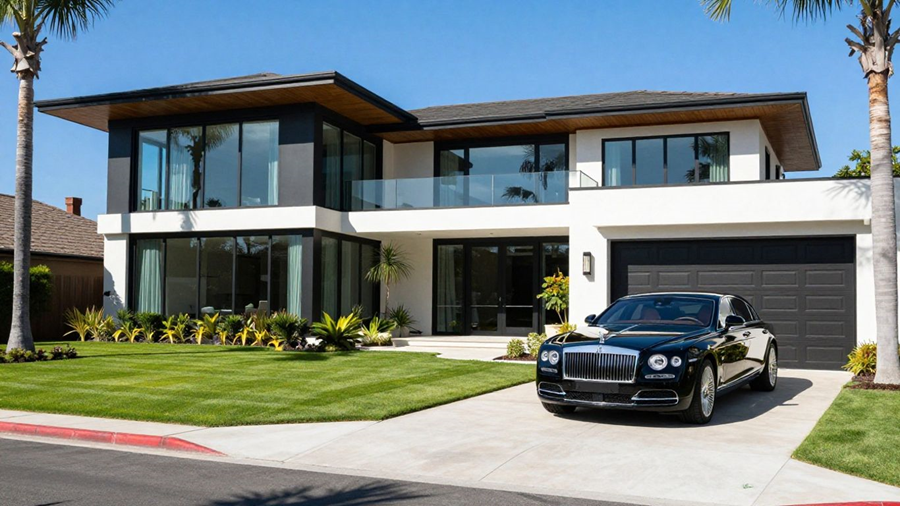
So, buying a luxury home is obviously a big deal, and it helps to have your finances organized in advance so everything runs smoothly. It isn’t just the sticker price, though that’s of course a big part of it. You have to consider all the other expenses that go along with owning something fancy.
Securing Financing: Mortgages and Beyond
When you’re shopping for a property in the multi-million-dollar range, your typical mortgage won’t do. You’re probably going to need something known as a jumbo loan. Those are for loan amounts higher than the Fannie and Freddie limits. Lenders who service these types of loans tend to be more specialized, so they’re going to demand a super strong financial picture from you.
They will likely want to see detailed proof of income, assets, and a sound credit history. In some cases, buyers might also have the option of using other assets, perhaps an investment portfolio or cash itself, as collateral. It might make sense to talk to a few different banks or mortgage brokers who specialize in luxury properties to see who can offer you the most competitive terms.
Understanding Associated Costs: Taxes, Fees, and Maintenance
This is where things can really add up, and it’s easy to overlook if you’re not careful. Beyond the mortgage payment, there are several other expenses to budget for.
- Property Taxes: These can be substantial, especially in areas with high property values. They’re usually calculated as a percentage of the assessed value of your home.
- Homeowners Insurance: A luxury home often requires a more comprehensive insurance policy to cover its unique features and higher replacement cost.
- HOA Fees: If your luxury property is in a managed community or has shared amenities, you’ll likely have monthly or annual Homeowners Association fees.
- Maintenance and Upkeep: High-end homes often come with specialized systems (think smart home tech, elaborate landscaping, pools, wine cellars) that require regular, and sometimes costly, professional maintenance. Don’t forget about potential repairs for these unique features.
It’s a good idea to have a clear picture of these continuing costs before you even make an offer. Ask your agent for the estimates and figure that into your monthly budget. Knowing these costs in advance can prevent you from being caught off-guard financially and help you settle into your new home without concern.
Here’s a quick look at what you might expect:
| Cost Category | Typical Range (Estimate) |
|---|---|
| Property Taxes | 1–3% of property value annually |
| Homeowners Insurance | $2,000 – $10,000+ annually |
| HOA Fees | $100 – $1,000+ monthly |
| Specialized Maintenance | Varies greatly by property features |
Assembling Your Luxury Real Estate Team

When you are in the market to purchase exclusive residences, your team can make a world of difference. More than just locating a house; it’s about making a good investment and doing the whole deal right. It is similar to putting together a championship team – you must have specialists for every position.
The Role of a Specialized Real Estate Agent
This might be your best player. A luxury real estate agent is more than just a seller of homes. They get the upper-market, pre-open-market tip and have relationships with sellers and their agents.
They can help you identify value, discern what sets a luxury property apart and navigate the sometimes-Byzantine negotiations that come with such transactions. They are your eyes and ears on the ground, making sure your interests stay protected.
Working with Attorneys and Financial Advisors
In addition to your agent, you’ll need legal and financial pros. A good real estate attorney will go through all the paperwork and make sure that there are no hidden catches or anything legally unsound about the place. They’re in place to protect your investment from a legal perspective. Your financial planner or a mortgage broker with experience in high-end finance is also essential.
And they can help you to qualify for the best loan terms (especially if it’s a property that may require jumbo loans) and ensure your finances are in order for such a big purchase. They’ll also help you comprehend the long-term financial implications.
Here’s a quick look at who you might need:
- Real Estate Agent: Specializes in luxury homes, market knowledge, and access to off-market listings.
- Real Estate Attorney: Reviews contracts, handles legal due diligence, and ensures compliance.
- Mortgage Broker/Lender: Secures financing, understands jumbo loans, and advises on financial strategy.
- Home Inspector: Assesses property condition, identifies potential issues with complex systems.
- Financial Advisor: Provides overall financial planning related to the purchase.
Having a powerful team will allow you to buy a luxury property with confidence. These specialists have the information that may save you time, money, and many headaches. They assist you so that your move into a luxury house is as successful & enjoyable as possible.
Finding and Evaluating Luxury Properties

If you’re in the market for a luxury home, your search will look different than the typical house hunt. It’s about more than finding a home; it’s about finding a statement, a sanctuary, and, very often, a smart investment. I was heading to this stage, and it requires working your eyes with a strategy to make sure you’re making the best choice among countless upscale residences.
Location: Beyond the Obvious
You’ve got the general idea that location matters, of course, but in luxury land, it takes on a whole dimension. I’m not just talking about living close to good schools or within an easy commute. Consider exclusivity, privacy, and status. Are you in search of an estate with acres, a chic penthouse with city views, or a beachfront villa that has direct access to the ocean?
Think about the neighborhood’s character, its future and what living there is really like. Walking distance to premium shopping, gourmet dining, art exhibits, and membership clubs can enhance the marketability and value of a home. For those who value privacy, gated communities, or homes with natural barriers in the form of woods or water features are often favored.
Don’t forget that the right market to buy high-end properties in is much more than just a place; it’s everything surrounding your experience of the area.
Due Diligence: Inspections and Appraisals
The real work begins once you’ve found a property that interests you. Extreme caution is a must in the purchase of these high-end homes. There is no time to economize.
Inspections: Luxury properties are typically complicated systems, sophisticated heating, cooling, and other systems, advanced smart home technology, intricate plumbing, and expensive finishes. You’ll want someone who specializes in high-end properties. People know what to look for, in terms of the quality of construction materials and also based on the condition of specialized amenities like wine cellars or home theaters.
Appraisals: Having an accurate appraisal is essential to getting the financing you need and establishing the true market value of your home. In luxury property investment, the appraisal needs to showcase the unique characteristics and finishes that are commensurate with what is being paid for. Work with an appraiser who knows the high-end market to get a realistic valuation.
Title search and survey: The need to verify a clear title and know property boundaries is just as crucial for an investment in a luxury home as for any other residential space.
In the case of acquiring luxury homes, the steps to do it right are part and parcel of making a smart move. It’s all part of the Luxury Property Acquisition Guide, a series that makes sure you get everything right. For more, take a look at this luxury real estate investment guide to buying high-end property.
Your Path to a Dream Luxury Home
So, buying a fancy house isn’t just about picking out a nice place. It’s a big deal, and you’ve got to be smart about it. We’ve gone over how the luxury market is a bit different, why picking the right spot matters so much, and how important it is to have a good agent in your corner.
Remember to check everything out thoroughly, figure out your budget way ahead of time, and don’t forget to think about what the place will be worth later on. It’s a journey, for sure, but with these tips, you’re much better equipped to find that amazing home you’ve been dreaming about. Happy house hunting!
Frequently Asked Questions
What makes a home ‘luxury’?
Luxury homes are unique because they have fancy things in them, such as awesome designs, high-end materials, and are located in a really nice place. Their yards are often bigger, they have cool features like home theaters, or they’re in exclusive neighborhoods.
Do I have to hire a certain kind of real estate agent for luxury homes?
Yes, it’s a really good idea! Agents who concentrate on luxury properties are in the know about the secret listings that don’t appear everywhere else. They know their way around the big money involved in doing all this and can help you find the perfect fancy house.
What’s the price beyond the price tag for a luxury home?
In addition to the purchase price for the house, you’ll be responsible for other costs. Then there are property taxes, which are often higher on pricier homes, and the need for regular maintenance expenses and insurance; maybe some homeowner-association fees. It makes sense to budget for these other costs.
Is it more difficult to secure a loan for a luxury home?
Sometimes, yes. Loans for ultra-expensive homes, known as jumbo loans, might have different rules than those that apply to regular home loans. You’ll probably need a strong credit score and may have to make a larger down payment. It’s super-helpful to talk to a lender who knows about luxury homes.
Why does place matter so much for a posh house?
Location is a huge deal! For luxury homes, that is more than simply being in a nice town. This might mean it has great views, is incredibly private, or is located near fancy shops and restaurants. The right location can make your home feel more valuable, aesthetic, and enjoyable.
What is the kind of checks do I need to do before purchasing a luxury home?
You need to be extra careful. Hire inspectors who know from fancy homes to inspect everything, up to and including the structure, as well as any fancy gadgets. And be sure you know all the legal papers and taxes involved. Just all about making sure you’re being smart.