

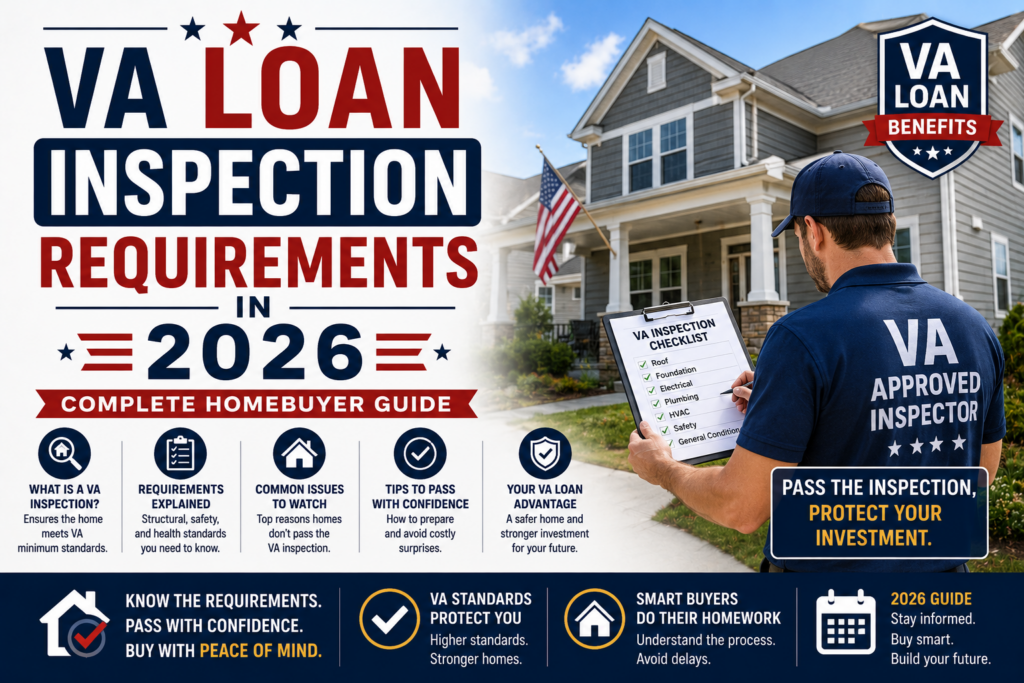
Buying a home with a VA loan in 2026 is a great option for many service members and veterans. But like any home purchase, there are steps to take to make sure everything goes smoothly. A big part of that is understanding the VA appraisal and Minimum Property Requirements (MPRs) for the property.
This isn’t just about the house looking nice; it’s about making sure it’s safe and sound. We’ll break down the VA loan inspection requirements, so you know what to expect.
Understanding the VA Loan Appraisal and Inspection Process
When you’re looking to get a VA loan approved, there are two different reviews that may happen during a VA purchase: the required VA appraisal and the optional but strongly recommended home inspection. It’s easy to mix them up, but they serve different purposes. Your lender orders a VA appraisal from a VA-approved appraiser to estimate market value and confirm the home meets VA Minimum Property Requirements.
Think of it as the VA’s way of saying, The appraisal helps confirm the property supports the loan amount and meets basic safety, soundness, and sanitary standards.’ An appraiser, who is a VA-licensed appraiser, will check things like structural soundness, safety features, and basic functionality of utilities. They’re looking at the big picture to confirm the property’s value and habitability.
So, what to expect during a VA loan inspection? Well, technically, the VA doesn’t require a home inspection. That’s an extra step you, the buyer, can choose to take. While the appraisal covers the basics, a home inspection goes much deeper. It’s your chance to really get into the nitty-gritty details of the house.
An inspector will look at things the appraiser might gloss over, like the actual condition of the HVAC system, the remaining lifespan of the roof, or potential pest issues. It’s all about uncovering potential problems that could cost you money down the line. You’ll typically pay for this service yourself, though sometimes you can negotiate with the seller to cover some of the VA loan closing costs.
Here’s a quick breakdown of what each covers:
- VA Appraisal: Focuses on market value and VA Minimum Property Requirements (MPRs) like safety, sanitation, and structural integrity. It’s primarily for the lender and the VA.
- Home Inspection: A more detailed examination of the home’s condition, systems, and components. This is for your benefit as the buyer to understand potential issues.
While the appraisal confirms the home meets the VA’s baseline standards, a separate home inspection offers a more granular view. It helps you understand the property’s condition beyond just its value, potentially saving you from unexpected repair bills after you move in.
Ultimately, understanding what to look for in a VA loan inspection, or rather, what a home inspection can reveal that an appraisal won’t, is key to making a confident purchase. It’s about getting a complete picture before you commit.
Key VA Loan Inspection Requirements for 2026
When you’re looking to buy a home with a VA loan, the property itself has to meet certain standards. It’s not just about what you can afford, the VA wants to make sure the home is safe, sound, and livable.
Think of it as a basic check to make sure you’re not buying a money pit. These are the main things the appraiser will be looking at, and they’re pretty important for your loan to go through.
One thing to keep in mind for 2026: VA appraisal turnaround times can vary significantly by region, sometimes ranging from a few days to several weeks in high-demand markets, so factor that into your closing timeline from the start.
Structural Soundness and Safety
This is a big one. The house needs to be structurally sound. That means no major cracks in the foundation, walls, or ceilings that could cause problems down the line. It also covers general safety, like making sure there aren’t any obvious hazards.
For example, loose railings on stairs or uneven walkways could be flagged. The VA minimum property requirements explained focus heavily on making sure the home won’t fall down or cause injury.
Adequate Heating and Cooling Systems
Having a working heating system is a must, especially if you’re buying in a colder climate. The VA wants to see that the home can be heated to a reasonable temperature.
Similarly, if you’re in a hot area, adequate cooling is also considered. It doesn’t have to be the fanciest system, but it needs to function properly to keep the home habitable.
Potable Water Supply
This one seems obvious, but it’s checked. You need a reliable source of clean, drinkable water. The appraiser will check that the water is running and that there are no signs of contamination or major plumbing issues that would affect water quality. This is part of the VA property eligibility criteria that ensures basic habitability.
Sanitary and Safe Electrical Systems
Outdated or unsafe electrical wiring is a major red flag. The VA requires that the electrical system be safe and functional.
This means no exposed wires, properly working outlets and switches, and a breaker box that isn’t a fire hazard. If the wiring is old and needs updating, that could be a repair item.
Functional Plumbing
Beyond just the water supply, the entire plumbing system needs to be functional. This includes making sure there are no leaks, that drains are working correctly, and that there’s hot water available.
Toilets, sinks, and showers all need to be in good working order. This is a key part of the VA property eligibility checklist.
Roof Condition
The roof is a pretty critical component of any home. The VA requires that the roof be in good condition, with no leaks or significant damage. A roof that’s nearing the end of its life or has visible problems will likely need to be repaired or replaced before the loan can close. This is a common issue that can hold up the process.
Pest Infestation
Nobody wants to buy a home with pests. The VA inspection looks for evidence of termites, rodents, or other infestations. If pests are found, especially termites or other wood-destroying insects, it will need to be treated.
This is a safety and structural concern that must be addressed. The goal is to ensure the property is free from conditions that could compromise its integrity or your health.
These requirements are in place to protect both you, the veteran, and the VA. They aim to prevent you from buying a home that needs extensive, costly repairs immediately after purchase, and to ensure the property is a sound investment for the VA’s guarantee.
Lead-Based Paint Hazards
If the home was built before 1978, the VA appraiser will look for any deteriorating or peeling paint that could indicate lead-based paint hazards. Any affected surfaces must be properly treated or encapsulated before the loan can close.
Well and Septic Systems
If the property uses a private well or septic system instead of municipal water and sewer, additional inspections are required. Well water must pass a quality test confirming it is free from bacteria, nitrates, and other contaminants. The septic system must be functioning properly with no signs of failure or backup.
Flood Zone Considerations
If the property sits in a FEMA-designated flood zone, the VA will require flood insurance as a condition of the loan. Properties in high-risk flood areas may face additional scrutiny during the appraisal process.
What Happens If the Home Fails Inspection?
So, the VA appraisal came back, and it turns out the house isn’t quite up to snuff. Don’t panic just yet. A failed appraisal doesn’t automatically mean the end of your dream home. It just means there are some issues that need to be addressed before the VA will back the loan.
The VA’s main concern is that the property is safe, sound, and sanitary. If it doesn’t meet these minimum property requirements (MPRs), you’ve got a few paths forward.
Negotiating Repairs with the Seller
This is usually the first step. If the appraisal flags issues, you’ll need to talk to the seller. The most common outcome is that the seller agrees to make the necessary repairs. This could be anything from fixing a leaky roof to updating an old electrical panel. Your real estate agent will be key here, helping you communicate with the seller and their agent to get a clear understanding of what needs to be done.
Sometimes, instead of doing the repairs themselves, sellers might offer a credit towards closing costs or a reduction in the sale price. This can be a good option if you’re comfortable managing the repairs yourself after closing, as long as your lender approves the arrangement.
- Identify the Issues: Get a clear list of exactly what the appraisal found to be deficient.
- Discuss with Your Agent: Figure out the best negotiation strategy.
- Present Your Request: Formally ask the seller to address the identified MPR issues.
- Agree on a Solution: This could be repairs completed by the seller, a credit, or a price reduction.
It’s important to remember that while the VA loan has specific requirements, the negotiation process is between you and the seller. The VA doesn’t dictate the terms of the sale, only whether the property meets their standards for financing.
Reconsideration and Re-inspection
Once an agreement is reached with the seller regarding repairs, the work needs to be done. After the repairs are completed, the property will need to be re-appraised. This isn’t a full, new appraisal, but rather a re-inspection to confirm that the specific issues identified in the initial appraisal have been fixed according to VA standards.
Your lender will coordinate this with the appraiser. If the re-inspection shows that all the MPRs are now met, the loan can proceed. If, for some reason, the repairs aren’t satisfactory, or if the issues are too extensive and the seller refuses to address them, you might have to consider walking away from the deal.
Most purchase agreements have contingencies that allow you to do this without losing your earnest money if the property doesn’t meet appraisal requirements. It’s a tough decision, but sometimes it’s better to find another home than to get stuck with a property that has major, unaddressed problems.
Wrapping It Up
So, that’s the lowdown on VA loan inspections for 2026. It’s not exactly rocket science, but you do need to be prepared. Getting your paperwork in order early, like your COE and income docs, is a big deal. And don’t forget to check out the house itself, the VA has some basic rules about safety and livability that need to be met.
If you do your homework beforehand, you’ll find the whole process goes a lot smoother. It really just comes down to being organized and knowing what to expect. Good luck out there!
Frequently Asked Questions
What’s the difference between a VA appraisal and a home inspection?
A VA appraisal is required by the lender to make sure the home is worth the loan amount and meets basic safety and living standards. A home inspection, which isn’t required by the VA but is highly recommended, is a more detailed check of the home’s condition by a professional inspector. It looks for potential problems that the appraisal might miss, helping you understand the home’s overall health and potential repair costs.
What are the most common reasons a home might fail a VA inspection?
Homes can fail VA inspections if they have serious safety issues. This includes things like a leaky roof, unsafe electrical wiring, a broken heating system, or poor drainage that could cause water damage. The VA wants to ensure the home is safe, sound, and sanitary for you to live in.
Do I have to fix problems found during the VA inspection?
If the VA appraisal identifies issues that prevent the home from meeting minimum property requirements, those problems usually need to be fixed before the loan can go through. Often, the seller is responsible for making these repairs. If a separate home inspection reveals problems, you can try to negotiate with the seller to fix them or lower the price, but it’s not a requirement for the VA loan itself.
What if the seller won’t make the necessary repairs?
If the seller refuses to fix issues found during the VA appraisal, you have a few options. You might be able to negotiate a lower price to cover the repair costs yourself, or you could potentially walk away from the deal if the problems are too significant. It’s a good idea to discuss this with your real estate agent and lender to figure out the best path forward.
Can I do repairs myself for a VA loan?
In some cases, yes, you might be able to make the repairs yourself, especially if you have the skills. However, the VA and your lender will likely want proof that the work was done correctly and meets their standards. This might involve documentation or a re-inspection. It’s best to check with your loan officer first to see if this is an option for your specific situation.
How important is getting a home inspection even if it’s not required?
Getting a home inspection is really important, even though the VA doesn’t make you do it. Think of it as an extra layer of protection for you. It helps you find problems the VA appraisal might miss, giving you a clearer picture of the home’s condition and potential future costs. This knowledge helps you make a smarter decision and can save you a lot of money and headaches down the road.