

Deciding whether to buy or build a home in 2026 comes down to more than the purchase price. Buying an existing house usually gives you a faster move-in timeline, established neighborhood amenities, and a simpler mortgage process, while building gives you more control over layout, finishes, energy efficiency, and long-term design.
The better choice depends on your budget, local land availability, financing strength, timeline, and appetite for construction risk. This guide compares the real costs, timelines, benefits, drawbacks, and hidden trade-offs so you can choose the path that fits your lifestyle and financial goals.
Quick Answer: Is It Better to Buy or Build a Home?
Buying is usually better if you need a home quickly, want a predictable closing process, prefer an established neighborhood, or do not want to manage construction decisions. It can also be a better fit if homes in your target area are already available at a price that leaves room for maintenance and upgrades.
Building is usually better if you have time, want a highly specific layout, already own land, or plan to stay in the home long enough to benefit from modern systems and personalized design. A new build can be rewarding, but it should be approached like a full project with clear budgets, builder due diligence, and a realistic contingency reserve.
Understanding the Core Difference: Buying vs. Building
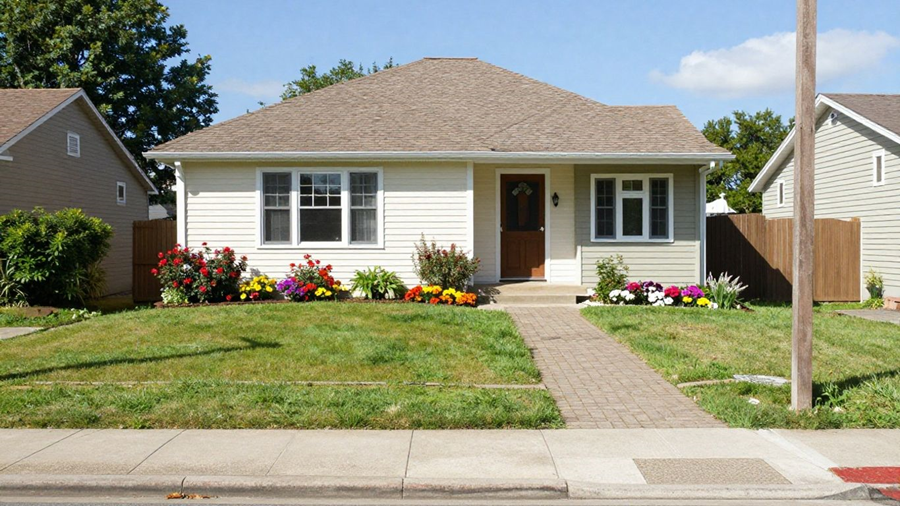
Buying an existing home means purchasing a completed property that can usually be inspected, appraised, financed, and occupied within a defined closing window. The buyer can walk through the space, evaluate the neighborhood, compare recent sales, and negotiate based on the current market. This gives the process more certainty than a construction project, even though older properties may still require repairs or updates.
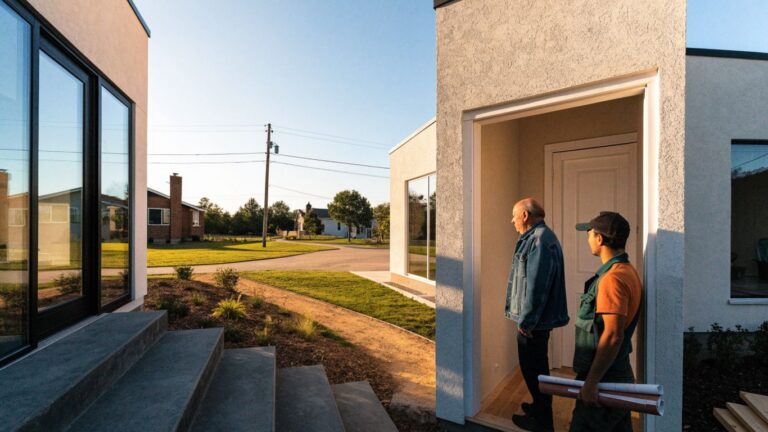
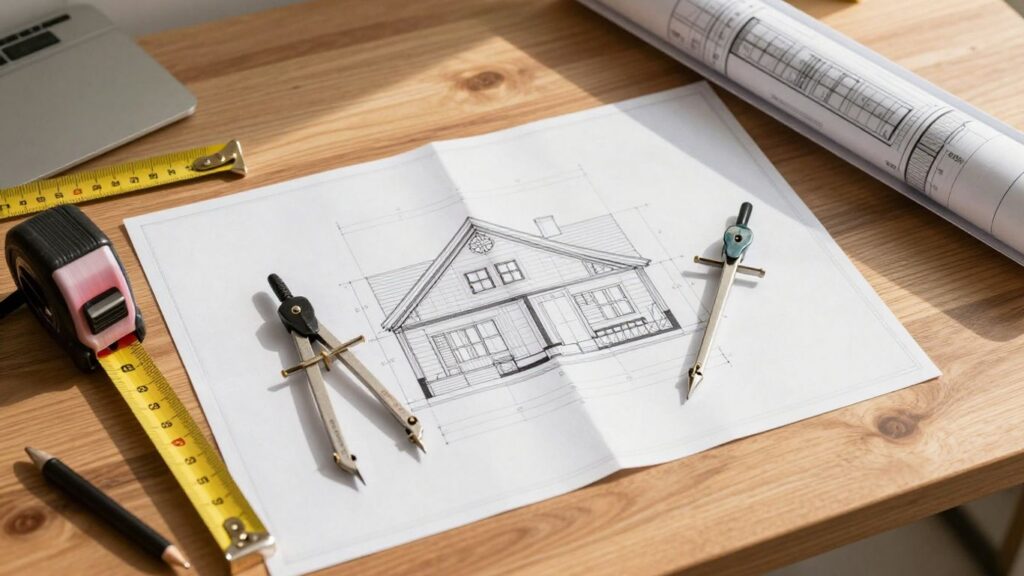
Building a home means creating a property through land selection, design, permitting, contractor coordination, inspections, and phased construction. Even with a production builder, the process includes more moving parts than buying a completed home. This route can produce a home that better matches your needs, but the timeline and final cost can shift if material prices, labor availability, weather, or permitting delays change during the project.
Buyers planning this route should understand how long it takes to build a house before committing.
Simple Decision Points Before You Compare Prices
- Choose buying if your timeline is short, your budget is fixed, or your top priority is location.
- Choose building if your top priority is layout control, new systems, and long-term customization.
- Choose buying if you want to evaluate the exact home before committing.
- Choose building if you are comfortable making many decisions before the finished product exists.
- Choose either option only after comparing total ownership cost, not just the listing price or builder base price.
These decision points help prevent one of the biggest mistakes in the buy-versus-build debate: comparing an existing home price to a builder base price without considering all add-ons. A builder base price may not include land upgrades, site work, landscaping, appliance packages, utility taps, design-center upgrades, or change orders. An existing home price may look simple, but it may hide future roof, HVAC, plumbing, or cosmetic costs. For a deeper cost breakdown, review how much it costs to build a house.
For a realistic comparison, evaluate both routes using the same categories: cash needed upfront, monthly payment, repair or maintenance exposure, expected timeline, resale potential, and quality of life. Once each cost category is visible, the better option usually becomes clearer for your household.
| Factor | Buying an Existing Home | Building a New Home |
|---|---|---|
| Timeline | Usually faster after contract acceptance | Often slower due to design, permitting, site work, and construction |
| Customization | Limited unless you renovate | High, depending on builder type and budget |
| Financing | Typically standard mortgage process | May require construction or construction-to-permanent financing |
| Location | More access to established neighborhoods | More dependent on land availability and development areas |
| Cost certainty | More predictable at contract signing | Can change through upgrades, delays, or change orders |
| Maintenance | May include near-term repairs | Usually lower early maintenance with new systems and warranties |
The Pros of Buying an Existing Home
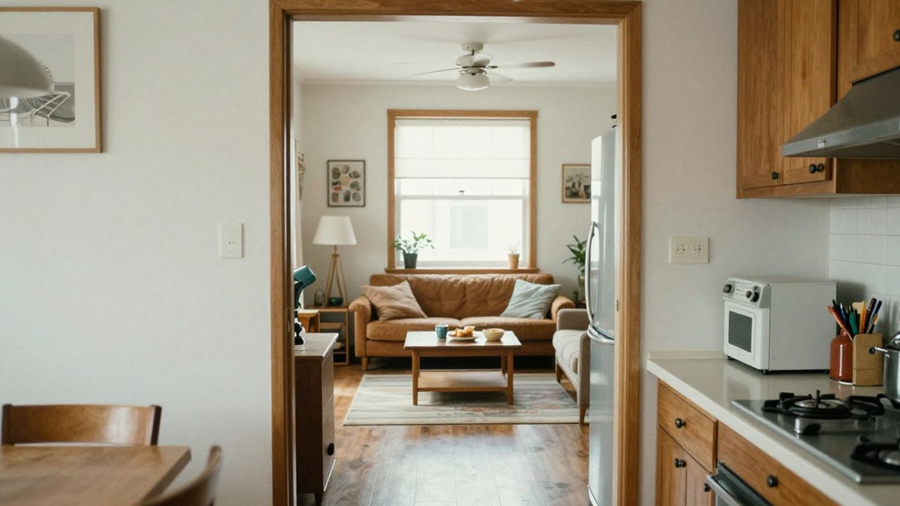
Faster Move-In Timeline
Buying an existing house is often the most practical choice when you need a reliable move-in date. Once your offer is accepted, the remaining process usually focuses on inspection, appraisal, underwriting, title work, and closing. That structure is easier to plan around than a construction schedule that depends on permits, subcontractors, weather, and material deliveries.
This speed matters for families relocating for work, school calendars, lease expirations, or life changes. It also reduces the amount of time you may need to pay for temporary housing or storage. While closing can still face delays, buying a completed home generally gives you more visibility into the final product and the move-in timeline.
Established Neighborhoods and Existing Amenities
Existing homes are often located in neighborhoods where schools, roads, stores, parks, healthcare access, and commute patterns are already known. This gives buyers more data before making a decision. You can drive the area at different times of day, check nearby comparable sales, and understand how the community feels before committing.
Mature neighborhoods may also offer larger trees, developed landscaping, and community character that takes years to form in new developments. For many buyers, this sense of place is just as important as the floor plan. If location, school district, or commute convenience is your top priority, buying may offer more choices than building.
More Predictable Financing
Purchasing an existing home generally uses a standard mortgage process. The lender can appraise an already completed property, underwrite the borrower, and prepare closing documents based on a defined purchase contract. This makes the process easier for many first-time buyers and households that do not want construction loan complexity.
A standard purchase can also make comparison shopping easier. You can review Loan Estimates, compare interest rates and closing costs, and evaluate the exact monthly payment before closing. This does not remove every risk, but it usually offers more predictability than financing a property that has not yet been built.
Buyers using VA benefits can also review the full VA loan process before applying.
The Cons of Buying an Existing Home
Limited Customization
The biggest drawback of buying an existing home is that you inherit someone else’s layout, finishes, storage choices, and design compromises. You may love the location but dislike the kitchen flow, bedroom sizes, ceiling height, or natural light. Renovation can solve some of these issues, but it adds cost, time, and disruption after closing.
Structural changes are especially expensive because they may require engineering, permits, utility relocation, or load-bearing wall modifications. Cosmetic updates are easier, but even simple flooring, paint, counters, and fixtures can add up quickly. Buyers should separate “easy upgrades” from “expensive layout problems” before making an offer.
Repair and Maintenance Risk
Older homes may come with roof wear, aging HVAC systems, older water heaters, foundation movement, outdated electrical panels, plumbing issues, or deferred maintenance. A home inspection can reveal many concerns, but it cannot guarantee that every future problem will be visible before closing. This is why buyers should budget for repairs even when the inspection looks clean.
The repair risk is not always a reason to avoid buying. It simply means the purchase price should be considered alongside the likely cost of maintenance and upgrades over the first few years. A lower-priced existing home may still be expensive if major systems need replacement soon after move-in.
Competition and Inventory Limits
In markets with limited inventory, buyers may have to compete for desirable homes, make quick decisions, or compromise on features. A strong location may come with a higher price, older finishes, or less square footage than a new build further outside the city. This can make the search emotionally draining if your wish list is narrow.
Existing homes also reflect what has already been built in the area, not necessarily what modern buyers want today. Open layouts, larger closets, dedicated offices, energy upgrades, and newer mechanical systems may be harder to find in older neighborhoods. The trade-off is often location versus modernization.
The Pros of Building a New Home
Customization and Layout Control
Building a home gives you the ability to shape the property around the way you actually live. Depending on whether you choose production, semi-custom, or custom construction, you may be able to choose the floor plan, room placement, finishes, storage, outdoor living areas, energy features, and smart-home systems. This is the strongest reason many buyers choose to build.
Customization is especially valuable if you have specific needs, such as a home office, aging-in-place features, multigenerational living space, hobby rooms, or accessibility upgrades. Instead of paying to renovate an older home later, you can plan these features from the beginning and avoid some of the limitations of an existing structure.
Modern Systems and Energy Efficiency
New homes are typically built with current building practices, updated electrical systems, modern insulation, high-performance windows, and more efficient heating and cooling equipment. These features can improve comfort and may reduce operating costs compared with older homes that need energy upgrades. The savings will vary by climate, home size, utility rates, and construction quality.
Energy efficiency should still be verified rather than assumed. Buyers should ask about insulation levels, air sealing, HVAC sizing, window performance, ventilation, and whether the home meets a recognized efficiency certification. A well-built new home can be more comfortable and easier to maintain, but quality depends on the builder and inspection process.
Lower Early Maintenance and Builder Warranties
A new home usually starts with new roofing, appliances, plumbing fixtures, electrical systems, HVAC equipment, and exterior materials. This can reduce the likelihood of major repairs in the first few years compared with an older property. Many builders also provide limited warranties on workmanship, systems, and structural components, although coverage terms vary widely.
This does not mean a new home is maintenance-free. Settling, drainage adjustments, warranty claims, paint touch-ups, and landscaping establishment can still require attention. The benefit is that many major components begin their lifespan at the same time, giving homeowners more predictability than they might have with an older home.
The Cons of Building a New Home
Longer Timeline and Delays
Building requires patience because the process depends on land readiness, permits, design approvals, inspections, material availability, contractor scheduling, and weather. Even well-managed projects can experience delays that shift the move-in date. This can create temporary housing costs, lease overlap, or logistical stress if your household needs certainty.
The timeline also depends on the type of build. Production homes in active communities may move faster than fully custom homes on raw land. Owner-managed projects can take longer because financing, contractor coordination, and inspection scheduling become more complex. A realistic schedule should include buffer time rather than assuming every milestone will happen perfectly.
Higher Planning Burden and Decision Fatigue
Building can be exciting, but it requires many decisions before the home is finished. Floor plan changes, finish selections, lighting placement, cabinet styles, flooring, exterior materials, appliances, and landscaping can quickly become overwhelming. Each choice may also affect cost, timeline, and resale appeal.
This decision load is manageable when you have a clear budget and a strong builder process. It becomes risky when upgrades are selected emotionally without tracking the total price impact. A good build plan should include a prioritized wish list, a strict upgrade cap, and a contingency reserve for necessary changes.
Construction Financing and Cost Overruns
Construction financing can be more complicated than buying a completed home because the lender is funding a project rather than a finished asset. Depending on the loan type, money may be released in draws after inspections or construction milestones. This means cash flow, builder documentation, and schedule coordination become part of the financing process.
Cost overruns are also common if site conditions change, materials increase, design plans shift, or utility connections cost more than expected. Buyers should not rely on the base build price alone. A strong plan includes land costs, soft costs, site prep, permits, contingency, financing costs, and post-build items like window coverings, fencing, and landscaping.
Borrowers planning a new build should understand basic construction loan requirements before choosing this path.
Cost Comparison: Buying vs. Building a Home
Steps to Compare the True Cost
1. Start with the total acquisition cost, not just the advertised price or builder base price.
2. Add financing costs, closing costs, points, rate locks, construction interest, and any second-loan or temporary-housing expenses.
3. List required repairs or upgrades for an existing home and required site work or upgrades for a new build.
4. Include ongoing ownership costs such as property taxes, insurance, HOA dues, utilities, maintenance, and replacement reserves.
5. Build in a contingency fund so one surprise does not force a bad financial decision.
The cost comparison between buying and building should be handled like a total-cost-of-ownership review. An existing home may have a clean purchase price, but future repairs can make it more expensive over time.
A new home may offer lower early maintenance, but the cost can rise quickly if land, site preparation, utility access, design upgrades, and construction loan expenses are not planned in advance. For early planning, a construction loan calculator can help estimate possible numbers.
Current housing data also shows why market context matters. Existing-home prices, new-home prices, inventory, and construction costs can move differently from one region to another. National medians are helpful for perspective, but your real answer depends on local labor costs, available lots, builder demand, interest rates, insurance, taxes, and the condition of homes in your target area.
| Cost Area | Buying Existing | Building New |
|---|---|---|
| Land | Included in the purchase price | Separate cost unless included by builder |
| Permits and approvals | Usually not a major buyer cost unless renovating | Can be significant and location-dependent |
| Financing | Traditional mortgage is common | May require construction or construction-to-permanent financing |
| Repairs | Higher risk if systems are older | Lower early risk, but warranty terms vary |
| Upgrades | Optional renovations after closing | Design-center upgrades and change orders can raise price |
| Utilities and site work | Existing connections usually in place | May require tap fees, trenching, driveway, grading, septic, or well work |
| Move-in extras | Furniture, repairs, paint, appliances if needed | Landscaping, fencing, window treatments, appliances, and punch-list items |
Timeline Comparison: How Long Each Path Can Take
- Buying an existing home is usually measured in weeks after the contract is accepted, although financing, appraisal, title, and inspection issues can add delays.
- Building a production home may be faster than a fully custom home because floor plans, suppliers, and construction processes are already standardized.
- Building a custom home can take many months or more because design, engineering, site preparation, permits, and inspections happen before and during construction.
- Owner-builder projects can take longer because the homeowner is responsible for more coordination, scheduling, documentation, and problem-solving.
- The safest timeline is the one that includes a buffer for weather, labor shortages, material delays, lender draw timing, and inspection schedules.
Timeline is one of the clearest differences between buying and building. If your household must move by a certain date, buying usually offers more control. You can negotiate a closing date and inspect the exact home before signing final documents. Building, by contrast, can be affected by issues that are outside your control even when the builder is experienced.
A longer timeline is not automatically bad if the finished home better meets your long-term needs. The key is to understand the timeline before you commit. Ask builders for recent average completion times, common causes of delays, change-order policies, and how they communicate when milestones shift.
| Path | Typical Timeline Pattern | Main Delay Risks |
|---|---|---|
| Buy existing home | Often 30 to 60 days after accepted offer, depending on financing and contract terms | Inspection issues, appraisal gaps, title problems, underwriting delays |
| Buy new production home | Varies by construction stage; spec homes may close faster than homes not yet started | Builder schedule, material availability, municipal inspections |
| Build custom home | Often several months to more than a year depending on design, site, permits, and complexity | Design revisions, site work, weather, labor, materials, permitting |
| Owner-builder project | Often the least predictable | Lender requirements, subcontractor coordination, inspections, cash flow, experience gaps |
Financing Differences: Mortgage vs. Construction Loan
Financing an existing home is usually straightforward because the lender can evaluate a completed property. The appraisal reviews what already exists, the home inspection identifies visible defects, and the loan closes once the borrower and property meet requirements. This is why buying usually feels simpler for first-time buyers.
Construction financing is different because the home may not exist yet. Lenders may require detailed plans, builder approval, budget schedules, permits, inspections, and phased draw requests. Some construction loans convert into a permanent mortgage after completion, while others require a separate refinance or payoff. This difference can affect closing costs, rate locks, cash reserves, and the level of documentation you need.
Many borrowers compare construction-to-permanent loans before deciding.
Construction Loan Planning Points
· Ask whether the loan is construction-only or construction-to-permanent.
· Confirm when interest begins and whether payments are interest-only during construction.
· Understand how draws are approved and who pays for inspections.
· Ask what happens if the project runs over budget or past the expected completion date.
· Keep personal cash reserves available for gaps between invoices and draw reimbursements.
These details are important because a construction project can stall if the lender, builder, and homeowner are not aligned. A draw delay can slow supplier payments, subcontractor scheduling, and inspections. The more detailed your documentation is before construction begins, the less likely you are to face a funding bottleneck mid-project.
If you already own land, this guide explains how construction loans work when you own land.
If you are comparing both paths, ask your lender to show the estimated cash-to-close, monthly payment, and total interest scenario for each option. The cheaper home price may not be the cheaper ownership path if financing costs or temporary housing costs are higher.
| Financing Item | Existing Home Purchase | New Build / Construction |
|---|---|---|
| Property value review | Based on completed home and comparable sales | Based on plans, specifications, land, builder budget, and final appraisal process |
| Loan disbursement | Funds at closing | Funds may be released in stages through draws |
| Documentation | Income, credit, assets, appraisal, title, insurance | All standard items plus plans, builder documents, permits, budget, draw schedule |
| Risk focus | Borrower approval and property condition | Borrower approval, builder capacity, budget accuracy, and project completion |
| Complexity | Usually lower | Usually higher |
Hidden Costs Buyers and Builders Often Miss
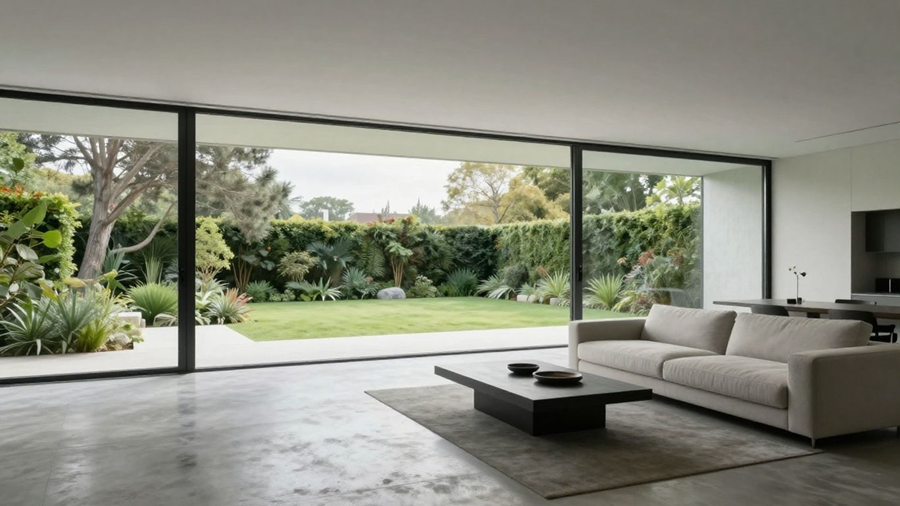
Hidden costs are where many buy-versus-build comparisons become inaccurate. A buyer may underestimate repair costs in an older home, while a builder may underestimate site preparation, utility access, or design upgrades. Both paths can still be smart, but the budget must be realistic from the beginning.
For an existing home, hidden costs often show up after inspection or during the first year of ownership. For a new build, hidden costs often appear before or during construction when the project reveals site conditions, utility constraints, or finish selections that were not included in the base price. A written reserve helps protect your decision from one unexpected bill.
Buyers comparing new construction should also review the cost to build a custom home.
Hidden Cost Checklist
Existing home: roof age, HVAC age, water heater age, electrical panel, plumbing materials, drainage, foundation, windows, insulation, appliances, and cosmetic updates.
New build: land survey, soil test, grading, driveway, utility taps, septic or well, permits, architectural fees, engineering, landscaping, fencing, appliances, window coverings, and change orders.
Both paths: insurance, taxes, HOA dues, closing costs, moving expenses, maintenance reserves, and furniture or storage needs.
| Hidden Cost | More Common When Buying | More Common When Building |
|---|---|---|
| Major system replacement | Roof, HVAC, water heater, plumbing, electrical updates | Less common early, but warranty exclusions may apply |
| Site preparation | Usually already complete | Grading, excavation, soil correction, drainage, driveway |
| Utility work | Existing service usually available | Tap fees, trenching, meters, septic, well, temporary power |
| Design changes | Renovations after closing | Change orders and finish upgrades |
| Temporary housing | Less common if closing is smooth | More likely if construction timeline shifts |
New Construction vs. Existing Home: Lifestyle Fit
The best choice is not only financial. Your daily life, schedule, family needs, work location, hobbies, and long-term plans should shape the decision. A buyer who values commute convenience may be happier in an older neighborhood near work. A buyer who values a custom workshop, accessible layout, or multigenerational floor plan may be happier building.
Think about how long you plan to stay in the home. Building may make more sense when you can enjoy the customization for many years. Buying may make more sense if you expect to relocate, want to build equity quickly, or need flexibility without managing a construction project.
Simple Buyer Profiles
- Time-sensitive buyers usually benefit from purchasing an existing home.
- Design-focused buyers may benefit from building or choosing a semi-custom new home.
- Budget-sensitive buyers should compare repair reserves against construction contingencies.
- Location-focused buyers often find more options in established neighborhoods.
- Long-term homeowners may be better positioned to benefit from new construction customization.
| Buyer Priority | Better Fit | Why |
|---|---|---|
| Move quickly | Buy Existing | Shorter and more predictable transaction timeline. |
| Control layout and finishes | Build New | More opportunity to personalize before move-in. |
| Live in an established area | Buy Existing | More options near mature amenities and infrastructure. |
| Minimize early repairs | Build New | New systems and warranties may reduce short-term maintenance. |
| Avoid project stress | Buy Existing | Less coordination with contractors, permits, and inspections. |
| Plan a long-term forever home | Build New | Customization can support long-term lifestyle needs. |
State and local conditions can change the answer. The following comparisons cover the ten states currently served by Security America Mortgage and highlight the location-specific costs, timelines, and property issues that should be reviewed before choosing an existing home or a new build.
Buying vs. Building a Home in Alabama
Alabama can give buyers a meaningful choice between established homes in Birmingham, Huntsville, Montgomery, and Mobile and buildable land in suburban or rural communities. Buying may provide a faster move-in and easier access to existing schools, employment centers, and utilities. Building can be attractive where land is available, but the budget should reflect site preparation, utility connections, and stronger wind or flood requirements in coastal areas.
Buying may be better when you need a predictable timeline, want to stay near an established job center, or find a home whose major systems are in good condition. Building may be better when you want more land, a customized layout, or a newer energy-efficient home and have enough flexibility for permitting and construction delays. Eligible military borrowers should compare VA loans in Alabama before making a final decision.
Buying vs. Building a Home in Arkansas
Arkansas often makes building worth considering because land and lower-density communities may be more accessible than in many larger markets. However, conditions vary sharply between fast-growing Northwest Arkansas, the Little Rock area, and rural or mountainous locations. Sloped lots, drainage, septic systems, and longer utility runs can narrow the apparent savings of an inexpensive parcel.
Buying may be better when you want to be close to established services or are competing in a market where completed homes offer better cost certainty than a custom project. Building may be better when you find a suitable lot, want additional space, and can verify access, soil, grading, and infrastructure costs before closing. Veterans evaluating both paths can review VA loans in Arkansas before making a final decision.
Buying vs. Building a Home in California
California’s high-cost housing markets, land prices, local permitting rules, and regional hazard requirements make the buy-versus-build calculation highly location-specific. Buying an existing home can provide more certainty in urban and coastal markets, although competition and renovation costs may be substantial. Building may offer the exact layout you want, but land, impact fees, wildfire or seismic requirements, utilities, and approval timelines must be included in the total budget.
Buying may be better when location, commute access, and a defined closing date matter more than complete customization. Building may be better when you already own an appropriate lot, can tolerate a longer approval process, and plan to remain in the home long enough to justify the added complexity. Eligible borrowers considering higher-priced purchases or construction should review VA loans in California before making a final decision.
Buying vs. Building a Home in Florida
In Florida, insurance availability, roof condition, wind mitigation, flood exposure, and local building codes can be just as important as the purchase price. An existing home may offer a quicker route to occupancy, but buyers should investigate insurability, flood zones, drainage, windows, roofing, and prior storm damage. A new build may meet newer code standards, although coastal construction, elevation, impact-resistant materials, permits, and insurance can raise the project cost.
Buying may be better when the home has a strong inspection history, an acceptable insurance quote, and a location that would be difficult to reproduce with new construction. Building may be better when resilience, layout control, and modern systems are priorities and the site has been reviewed for flood, wind, utility, and soil requirements. Veterans can compare purchase and construction options through VA loans in Florida before making a final decision.
Buying vs. Building a Home in Georgia
Georgia offers established housing in the Atlanta, Augusta, Columbus, Savannah, and Warner Robins areas along with building opportunities in growing suburbs and rural counties. Buying may be more practical near major employment centers where land is limited or traffic makes location especially valuable. Building can create more space and flexibility, but red-clay soil, grading, drainage, foundation design, and coastal wind or flood requirements can affect the final budget.
Buying may be better when you find a well-located property with manageable repairs and want to avoid the uncertainty of site development. Building may be better when you have access to suitable land, want a custom or multigenerational layout, and can work with a builder familiar with county-level permitting. Eligible military households can learn more about VA loans in Georgia before making a final decision.
Buying vs. Building a Home in Illinois
Illinois presents a different calculation in the Chicago region, outer suburbs, smaller cities, and downstate communities. Existing homes may provide access to established neighborhoods but can come with older systems, deferred maintenance, and significant property-tax obligations. Building can reduce early repair exposure, although frost-depth foundations, snow-load engineering, municipal permits, labor costs, and local taxes must be included from the start.
Buying may be better when neighborhood access and a shorter move-in timeline outweigh the cost of updating an older property. Building may be better when you are considering suburban or downstate areas where land is available and the full tax, utility, and site-development costs remain affordable after construction. Veterans comparing the two routes can consult VA loans in Illinois before making a final decision.
Buying vs. Building a Home in Maryland
Maryland’s housing and construction costs can vary significantly between the Washington, D.C. and Baltimore corridors, central counties, Western Maryland, and the Eastern Shore. Buying may be the faster option near employment centers and military installations where existing infrastructure is valuable. Building can provide more control, but county zoning, impact fees, stormwater rules, environmental restrictions, and longer permit timelines can materially change the budget.
Buying may be better when proximity to work, transit, schools, or a military installation is the main priority. Building may be better when you can secure an approved lot in a less constrained area and have a realistic allowance for design, permitting, utilities, and possible reassessment after completion. Eligible borrowers can explore VA loans in Maryland before making a final decision.
Buying vs. Building a Home in Pennsylvania
Pennsylvania buyers can choose between older housing in established communities and new construction in suburban, small-town, or rural markets. Existing homes may offer character and convenient locations, but roofs, heating systems, masonry, electrical service, moisture, and energy efficiency deserve careful review. Building may lower early maintenance risk, although cold-weather construction, grading, stormwater, radon-resistant features, and local site conditions can add cost.
Buying may be better when you value an established neighborhood and can budget for inspections, repairs, and future system replacements. Building may be better when you find an uncomplicated lot, want modern efficiency or accessibility features, and can allow for seasonal and municipal delays. Veterans comparing financing paths should review VA loans in Pennsylvania before making a final decision.
Buying vs. Building a Home in Tennessee
Tennessee combines competitive established-home markets with substantial suburban and rural building activity. Buying may be more practical in Nashville, Clarksville, Knoxville, Chattanooga, or Memphis when access to work and amenities is the deciding factor. Building can offer more space and customization outside core markets, but mountain or hillside lots, grading, drainage, septic systems, utility extensions, and rapid-growth pricing can change the economics.
Buying may be better when you need a dependable move date or find a property in a location where replacement land would be difficult or expensive to secure. Building may be better when you want acreage or a specific floor plan and have verified the site rather than judging it by the land price alone. Eligible veterans and service members can compare VA loans in Tennessee before making a final decision.
Buying vs. Building a Home in Texas
Texas offers both large existing-home markets and extensive opportunities to build, but the decision varies between Houston, Dallas-Fort Worth, Austin, San Antonio, military communities, and rural acreage. Buying can provide faster access to established utilities and neighborhoods. Building may offer more space and design control, but soil movement, drainage, utility extensions, water or septic systems, property taxes, insurance, and local development requirements must be priced carefully.
Buying may be better when speed, commute, and cost certainty matter most or when the lot and infrastructure value of an established property would be expensive to reproduce. Building may be better when you already own land, want acreage or a custom plan, and have a complete budget for site work and post-construction items. Veterans considering either route can review VA loans in Texas before making a final decision.
When Buying an Existing Home Is the Better Choice
Buying is the stronger option when your priority is certainty. If you need to move soon, want to be near established schools or jobs, or prefer a defined mortgage process, an existing home usually makes more sense. You can evaluate the house as it stands, negotiate based on inspection findings, and understand the surrounding neighborhood before closing.
It is also a strong option when the local market has well-priced homes that meet most of your needs. A home does not have to be perfect to be a smart purchase. If the layout is functional, the major systems are solid, and the location supports your lifestyle, minor cosmetic updates may be easier than building from scratch.
Buying Makes Sense If You Want To:
· Move within weeks rather than months.
· Live in a mature neighborhood with existing amenities.
· Use a standard mortgage process.
· Avoid construction scheduling and builder coordination.
· See the exact property before making the full commitment.
When Building a Home Is the Better Choice
Building is the stronger option when your priority is control. If you want a specific floor plan, modern systems, energy features, accessibility options, or long-term layout flexibility, a new build may be worth the additional planning. It can also be attractive if existing homes in your target area require major renovations anyway.
Building works best for buyers who are patient, organized, and financially prepared. You need a realistic budget, a qualified builder, clear contract terms, and a plan for delays. When those pieces are in place, building can create a home that serves your lifestyle more precisely than most existing properties.
Building Makes Sense If You Want To:
- Choose layout, finishes, and systems from the beginning.
- Plan for long-term living rather than short-term convenience.
- Reduce early repair risk through new materials and warranties.
- Use land you already own or want a specific lot.
- Create a home that supports accessibility, work-from-home, or multigenerational needs.
5-Step Decision Framework
1. Define your non-negotiables: location, timeline, monthly payment, floor plan, school district, commute, and home size.
2. Price both options using total cost, including closing costs, repairs, land, permits, site work, upgrades, temporary housing, and contingency reserves.
3. Talk to a lender about both scenarios before choosing a path, especially if construction financing is involved.
4. Get professional inspections and builder references so you do not rely on marketing claims alone.
5. Choose the path that protects your cash flow while still meeting your most important lifestyle goals.
This framework keeps the decision grounded. Many buyers fall in love with the idea of building but underestimate timeline and cost complexity. Others dismiss existing homes too quickly even though a well-located property with manageable updates could be the better financial decision.
The strongest decision is usually the one that leaves room in your budget after closing or completion. Homeownership becomes stressful when every dollar is spent getting into the home, leaving nothing for repairs, furnishings, upgrades, taxes, insurance increases, or unexpected life changes.
Common Mistakes to Avoid
- Comparing an existing home price to a builder base price without adding land, site work, upgrades, and permits.
- Assuming a new home means no maintenance or that every issue will be covered by warranty.
- Skipping a strong inspection because a home is new or because the seller says repairs were already completed.
- Choosing a location only because the house is larger or newer while ignoring commute, resale demand, and neighborhood fit.
- Underestimating temporary housing, storage, and rate-lock costs during a long construction timeline.
- Making upgrade decisions without tracking how each change affects appraisal, loan approval, and monthly payment.
Final Verdict: Should You Buy or Build a Home?
Buying is usually the better choice for speed, predictability, location access, and simpler financing. It fits buyers who want to move soon, understand what they are purchasing, and avoid managing a construction project. The main trade-off is that the home may need updates, and the layout may not match every preference.
Building is usually the better choice for customization, modern systems, energy-conscious design, and long-term lifestyle fit. It works best when you have time, reserves, and a reliable builder. The main trade-off is that the timeline, financing, and budget require more discipline. Neither option is universally better; the right path is the one that fits your real numbers, your risk tolerance, and your long-term plan.
Frequently Asked Questions
Is it cheaper to buy or build a home?
It depends on the local market, land costs, labor costs, home condition, and how much customization you want. Buying often has a more predictable upfront price, while building can become expensive once land, site work, permits, upgrades, and contingency reserves are included.
Is building a home always more expensive than buying?
Not always. A simple production build on an improved lot may compete with older homes that need major renovations. However, fully custom homes, raw land, and complex site work often increase the total cost of building.
How long does it take to build a house?
Build timelines vary widely. Production homes may move faster if plans and permits are already in place, while custom homes can take many months or more depending on design, site conditions, labor availability, inspections, and weather.
What is the biggest hidden cost when building?
Site preparation is one of the most commonly underestimated costs. Grading, soil issues, drainage, utility connections, septic systems, wells, driveways, and permit-related requirements can raise the total cost well beyond the base construction price.
What is the biggest hidden cost when buying an existing home?
Major system repairs are the biggest risk for many existing homes. Roof replacement, HVAC failure, plumbing updates, electrical upgrades, foundation repairs, and drainage corrections can be expensive soon after closing.
Is new construction more energy efficient?
New homes can be more energy efficient because they often use newer insulation, windows, HVAC systems, air sealing, and building standards. Efficiency still depends on the builder, materials, installation quality, and whether the home meets a verified efficiency standard.
Is financing harder when building a home?
It can be. Construction loans may require plans, specifications, builder approval, permits, appraisals based on future value, inspections, and draw schedules. A traditional mortgage on an existing home is usually simpler.
Should I buy first and build later?
That can be a smart strategy if you need housing now but want a custom home in the future. Buying a practical home first may let you build equity, learn your lifestyle preferences, and plan a future build with less pressure.
Can I negotiate better when buying or building?
You may be able to negotiate in both cases, but the leverage is different. Existing-home negotiations often involve price, repairs, and closing costs. New-build negotiations may involve upgrades, incentives, rate buydowns, or lot premiums, depending on builder demand.
What should I do before deciding?
Get mortgage guidance for both scenarios, price the full cost of each path, inspect or vet the property and builder carefully, and keep a reserve for surprises. A decision based on cash flow and lifestyle fit is safer than one based only on a headline price.